Ever wondered who truly pulls the strings behind your favorite games like Fortnite and the Epic Games Store This in-depth guide reveals the intricate ownership structure of Epic Games a powerhouse in the gaming industry We will explore the key investors including the significant stake held by Tencent Holdings and the enduring vision of its founder Tim Sweeney Gamers often worry about corporate influence on their beloved titles and understanding Epic Games ownership is crucial for informed decisions about game choices and platform loyalty We dive into how these ownership dynamics might shape future game development business strategies and the competitive landscape of digital storefronts for busy adult gamers seeking clarity and value
Who truly owns Epic Games
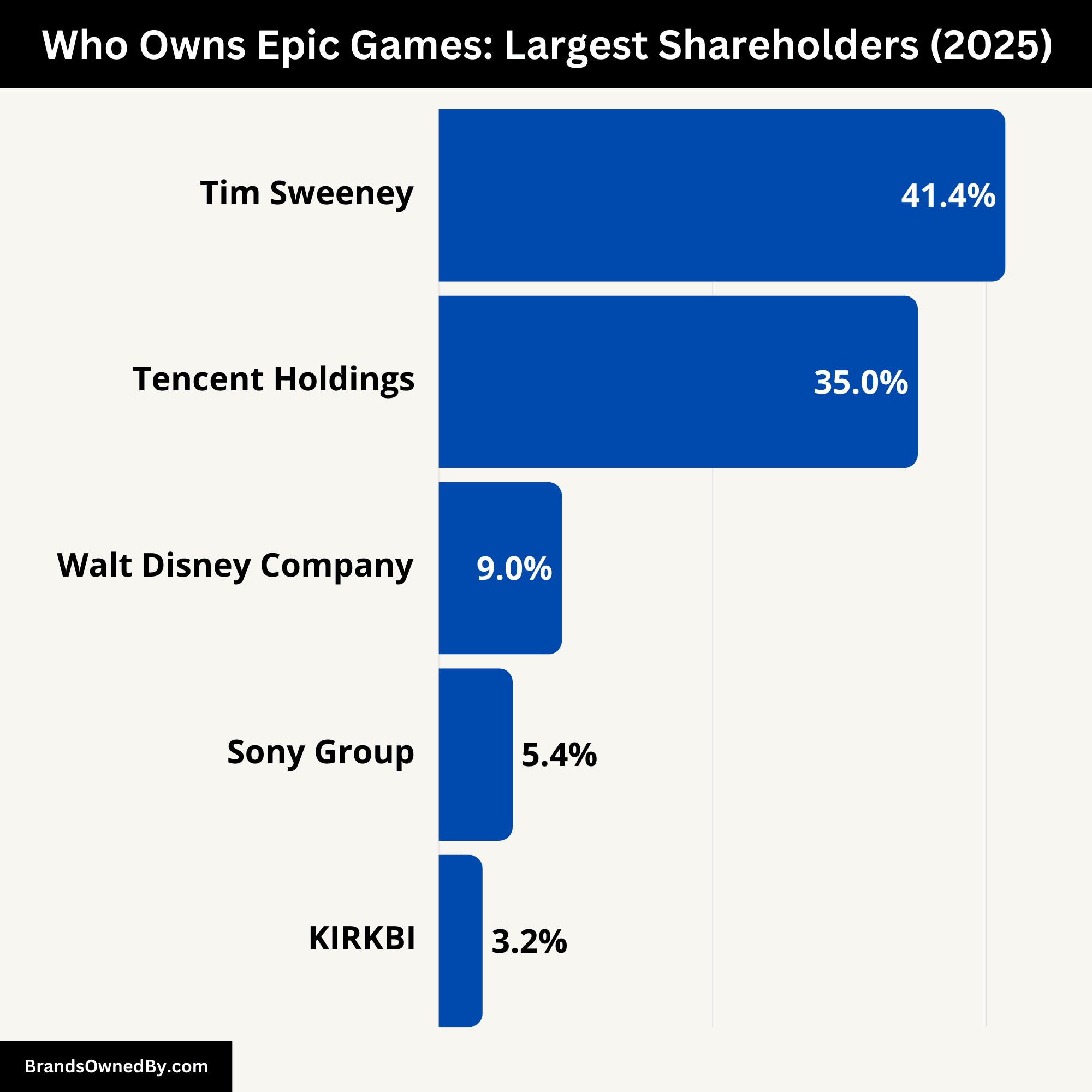
Epic Games is primarily owned by its founder Tim Sweeney who maintains a controlling stake. A significant minority stake approximately 40 percent is held by the Chinese conglomerate Tencent Holdings. Other investors include Sony and Kirkbi (the family holding company behind The Lego Group) but Sweeney retains ultimate control.
Is Epic Games controlled by a Chinese company
No Epic Games is not controlled by a Chinese company. While Tencent Holdings a Chinese firm owns about 40 percent of Epic founder and CEO Tim Sweeney retains the controlling majority ownership and voting rights. This ensures that Epic's strategic decisions and creative direction remain independent and largely US-based.
What is Tim Sweeney's role in Epic Games ownership
Tim Sweeney is the founder and CEO of Epic Games and holds the controlling majority ownership of the company. His vision and leadership have guided Epic since its inception in 1991 and he maintains significant voting power ensuring his long-term strategic direction and principles for the gaming industry are upheld.
Why did Tencent invest in Epic Games
Tencent invested 330 million in Epic Games in 2012 to acquire a 40 percent stake. This investment provided Epic with crucial capital for growth especially for developing the Unreal Engine and eventually Fortnite. For Tencent it was a strategic move to gain a foothold in Western gaming technology and intellectual property.
What other companies have invested in Epic Games
Besides Tencent other notable investors in Epic Games include Sony Corporation (through Sony Interactive Entertainment) and Kirkbi the family holding company behind The Lego Group. Both made significant investments in 2021 and 2022 underscoring Epic's broad appeal and potential in gaming and the metaverse.
How does Epic's ownership affect Fortnite
Epic's ownership especially Tim Sweeney's controlling stake allows the company to maintain its innovative approach to Fortnite. This includes prioritizing cross-platform play, frequent content updates, and unique monetization strategies. Tencent's investment provides financial backing but does not dictate Fortnite's creative direction or operational decisions.
Is Epic Games privately or publicly owned
Epic Games is a privately owned company. Its shares are not traded on public stock exchanges. This private ownership structure gives Epic the flexibility to pursue long-term projects and strategies such as challenging app store monopolies without the constant pressure of public shareholder demands and quarterly financial reporting.
Balancing a demanding job a bustling family life and a passion for gaming can feel like a boss battle itself. You carve out those precious hours for relaxation fun or a bit of skill-building with friends online. But have you ever paused to think about the companies behind the games you love and how their ownership might impact your experience It is a question many US gamers especially those around 36 years old ask themselves when they are trying to pick a new title or deciding where to spend their hard-earned cash. Today we are diving deep into a topic that is been buzzing around gaming forums for a while: who own Epic Gaming. We will cut through the noise address common concerns and give you the clear answers you need to understand one of the industry's biggest players.
Understanding who owns Epic Games is not just about corporate trivia it is about knowing where your gaming dollars go what influences game development and even why certain games appear on certain platforms or have specific in-game purchases. With 87 percent of US gamers regularly dedicating an average of 10 plus hours a week to gaming often across mobile PC and console platforms informed choices matter more than ever. From performance issues to balancing screen time with life this guide aims to equip you with knowledge without the hype so you can game smarter and enjoy it more. Let us unpack the facts.
Who is the primary owner of Epic Games
The primary owner and controlling shareholder of Epic Games is its founder Tim Sweeney. He established the company in 1991 and has remained its CEO and guiding visionary ever since. Sweeney holds a significant majority stake in the company ensuring that his long-term vision for gaming including his strong stance on open platforms and fair revenue splits for developers remains at the core of Epic's strategy. This enduring leadership provides stability and a consistent direction for a company that has grown from a small shareware developer into a global gaming giant known for titles like Fortnite and the Unreal Engine.
What is Tencent's role in Epic Games ownership
Tencent Holdings a Chinese multinational technology and entertainment conglomerate holds a substantial minority stake in Epic Games. In 2012 Tencent acquired approximately 40 percent of Epic Games in exchange for 330 million. This investment was pivotal for Epic Games allowing them to accelerate their growth and invest heavily in projects like the Unreal Engine and eventually Fortnite. While Tencent is a major shareholder Tim Sweeney retains majority control and the voting rights associated with it meaning Tencent does not dictate Epic's day-to-day operations or creative direction. This arrangement has fueled significant expansion for Epic over the past decade.
Is Epic Games a Chinese-owned company
No Epic Games is not a Chinese-owned company despite Tencent Holdings a Chinese conglomerate owning a significant minority stake. Tim Sweeney the founder and CEO of Epic Games retains the controlling ownership of the company. This means that major strategic decisions company culture and overall direction are still set by Epic's US-based leadership. The concern about Chinese ownership often arises from Tencent's involvement but it is crucial to differentiate between a minority investment and outright control. Epic operates independently from Tencent making its own choices regarding game development and platform strategies.
How does Epic Games generate its revenue
Epic Games generates its revenue through several diverse channels demonstrating a robust business model that supports its various ventures. The most prominent revenue stream comes from its blockbuster battle royale game Fortnite which earns billions annually through V-Bucks purchases for cosmetics battle passes and in-game events. Another significant contributor is the Epic Games Store which takes a 12 percent revenue cut from game sales a much lower percentage than some competitors aiming to attract developers. Additionally the highly successful Unreal Engine provides licensing fees and royalties from game developers movie studios and various industries using its powerful technology. Finally Epic's own developed games like Rocket League and Fall Guys also contribute to their financial success through sales and in-game monetization.
What impact does Epic's ownership structure have on its business strategies
Epic Games' ownership structure characterized by Tim Sweeney's controlling stake and Tencent's substantial minority investment significantly shapes its business strategies. Sweeney's autonomy allows Epic to pursue long-term ambitious goals like challenging dominant digital storefronts with the Epic Games Store's 88/12 revenue split for developers. This stance prioritizes developer fairness and platform openness even at the cost of short-term profits. Tencent's investment provides crucial capital and access to Asian markets but without controlling influence it doesn't dictate Epic's core strategic pivots. This unique balance enables Epic to innovate aggressively invest in exclusive titles and maintain its commitment to fostering a more competitive and developer-friendly ecosystem within the gaming world all while potentially drawing upon Tencent's vast resources and market expertise when strategically aligned.
Are there other significant investors in Epic Games
Beyond Tim Sweeney's controlling stake and Tencent's substantial investment Epic Games has attracted other high-profile investors in recent years reflecting its massive growth and influence in the entertainment sector. These include Sony Corporation through its Sony Interactive Entertainment division and Kirkbi the family holding company behind The Lego Group. In April 2021 Sony invested 200 million while Kirkbi also participated in a 1 billion funding round for Epic Games. More recently in 2022 Sony and Kirkbi each invested an additional 1 billion into Epic further cementing their commitment. These investments underscore Epic's broad appeal and strategic importance across gaming media and metaverse development. Such diverse partnerships signal strong confidence in Epic's long-term vision and potential for innovation.
How does Epic's ownership affect its rivalry with other gaming platforms
Epic's ownership structure fuels its aggressive rivalry with other gaming platforms particularly Steam. Tim Sweeney's vision for a more open and fair digital ecosystem drives Epic's strategy to offer developers an 88/12 revenue split compared to Steam's traditional 70/30. This along with Epic's pursuit of exclusive titles often through significant upfront payments to developers is a direct challenge to Steam's market dominance. Tencent's financial backing though not controlling provides Epic with the capital needed to sustain these competitive strategies and absorb potential short-term losses in pursuit of long-term market share. This robust financial position enables Epic to remain a formidable competitor continuously pushing boundaries and fostering innovation in the digital storefront space benefiting gamers with more choices and potentially better deals over time.
What are the implications for gamers concerning Epic Games ownership
For gamers understanding Epic Games ownership boils down to several key implications. First Epic's developer-friendly revenue share (88/12) often translates into a more diverse range of games on their store and potentially better quality as developers retain more funds. Second the company's financial backing allows it to secure exclusive titles or offer generous free games providing value to players especially those on a budget. Third Tim Sweeney's commitment to an open metaverse and cross-platform play aligns with how many busy adult gamers play today connecting with friends across different systems. However the association with Tencent sometimes raises data privacy concerns for some players though Epic maintains its data is handled securely and separately from Tencent. Ultimately knowing who's behind Epic can help you decide if their values and practices align with your gaming priorities.
Conclusion
Navigating the corporate landscape of gaming can feel overwhelming but understanding who own Epic Gaming reveals a clearer picture. We have seen that while Tencent holds a significant stake Tim Sweeney remains firmly in control steering Epic Games with a vision for developer-friendly platforms and groundbreaking innovation. This unique structure empowers Epic to continue challenging industry norms delivering blockbuster titles and shaping the future of interactive entertainment. For you the dedicated gamer juggling life and leisure this means more choices more value and a company pushing for a more connected gaming world. So as you jump into your next session armed with this knowledge remember that informed decisions lead to more satisfying gameplay.
What is your biggest gaming challenge balancing your time budget or finding the right games Comment below!
Frequently Asked Questions about Epic Games Ownership
Is Epic Games owned by Apple or Google
No Epic Games is not owned by Apple or Google. In fact Epic Games has been involved in high-profile legal battles with both Apple and Google regarding app store policies and revenue sharing. These disputes highlight Epic's independent stance on platform economics rather than any ownership relationship.
Does Disney own a part of Epic Games
No Disney does not currently own a part of Epic Games. However in 2024 Disney announced a major strategic investment of 1.5 billion in Epic Games to create a new expansive games and entertainment universe connected to Fortnite and the Unreal Engine. This is a partnership and investment not an ownership stake of Disney in Epic.
Who founded Epic Games
Epic Games was founded by Tim Sweeney in 1991. He started the company from his parents' home in Potomac Maryland initially under the name Potomac Computer Systems. Sweeney has been the driving force behind Epic's evolution from a shareware company to a global gaming and technology leader.
Is Epic Games a publicly traded company
No Epic Games is not a publicly traded company. It remains a privately held entity meaning its shares are not listed on any stock exchange for public investment. This allows Epic to pursue long-term strategies without the pressures of quarterly earnings reports often associated with public companies.
What percentage of Epic Games does Tencent own
Tencent Holdings owns approximately 40 percent of Epic Games. This significant minority stake was acquired in 2012 for 330 million providing Epic with substantial capital for growth and development but leaving founder Tim Sweeney with majority control.
How much is Epic Games worth
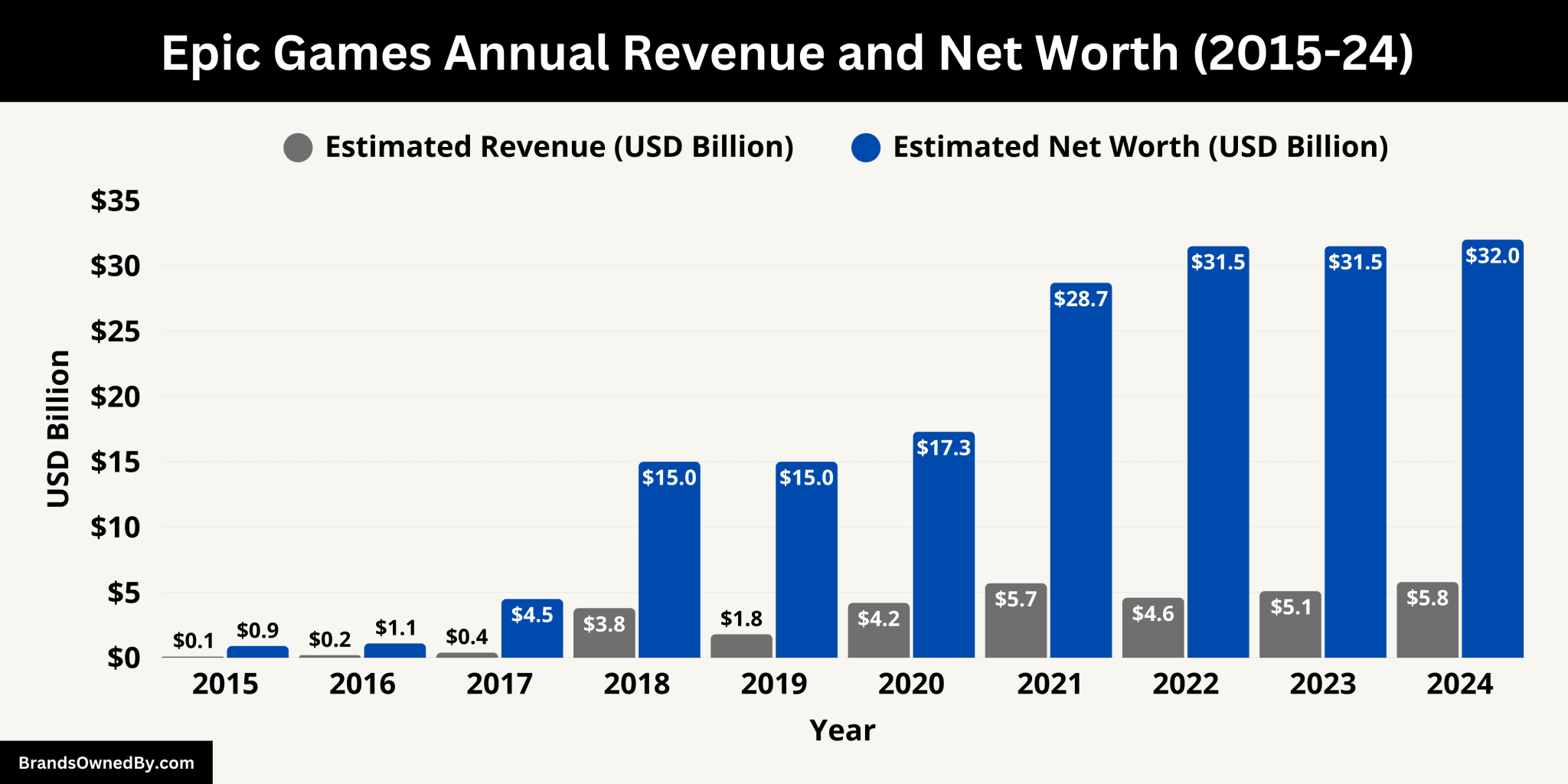
Epic Games' valuation has fluctuated but as of recent investment rounds in 2022 the company was valued at approximately 31.5 billion. This impressive valuation reflects the immense success of Fortnite the widespread adoption of the Unreal Engine and its growing presence in the digital storefront market.
Epic Games is primarily owned by its founder Tim Sweeney who retains a controlling stake Tencent Holdings a Chinese conglomerate holds a significant minority stake around 40 percent of the company Epic Games is not publicly traded meaning its shares are not available on stock exchanges The company's valuation has soared due to the massive success of Fortnite and the growth of the Epic Games Store This ownership structure influences Epic's strategic decisions including its approach to game development store policies and its ongoing legal battles
34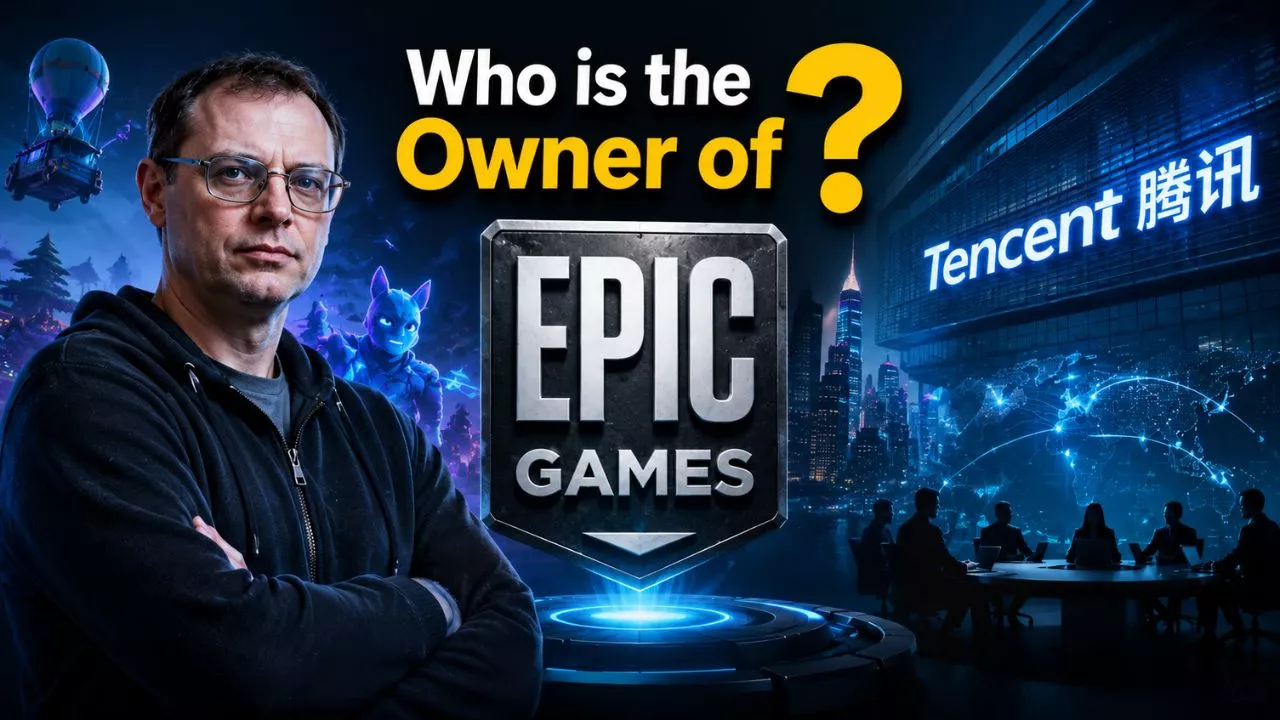


Who Owns Epic Games Current Ownership Explained 2026 Who Owns Epic Games Tim Sweeney Tencent The Fortnite Empire 2026.webp. The Epic Reset Why Epic Games Just Cut 20 Of Its Workforce News Scaled . Epic Games Store Verschenkt Gem Tliches Adventure Zum Ausklang Des Epic Games Store Will Give Away Oddsparks At The End Of April 2026 . Epic Games Spring Sale 2026 Best Deals And Top Picks Aigi D489e16f E031 41ba 998f . Epic S Store Continues To Grow And Free Games Aren T Going Anywhere 4444237 Egs 1



Who Owns Fortnite Ownership Breakdown Brands Owned By Who Owns Epic Games Largest . Epic Games CEO Tim Sweeney Agrees To Put On A Muzzle Until At Least 2032 . Epic Games Store Epic Games Store Red Logo Over Blueish Blurred Background . Is Epic Games Down January 26 2026 Epic Games Store Down Epicgames . Epic Games Admits Its Launcher Sucks Promises Complete Rebuild For Epic Games Launcher Rebuild Announced 20260205 213026




Epic Games Fr Hlings Ausverkauf 2026 Die Besten PC Angebote Im Epic Games Fruehlung Sale 2026. Epic Games Store Lanceert Laatste Februari 2026 Gratis Game Giveaway Epic Games Giveaway Feb 26 2026 Kv . The Unreal Journey Of Epic Games A Look At Its Business Model Epic Games Title . Epic Games Lays Off More Than 1 000 Amid Slowing Fortnite Engagement . All July 2026 Free Games You Can Claim Luto Ghost In Hallway

.jpg)

The Epic Games Store Spring Sale 2026 Features Deep Discounts On Some Epic Games Store Spring Sale . 2026 Epic Games Store 2202367245 (1) . Epic Games Store Reveals 2026 Exclusives And Doomblade Freebie Th. Who Owns Epic Games L Intro 1783518149 . All July 2026 Free Games You Can Claim Luto Hallway



Europe Finally Needs Its Own Unreal Engine 5 Rival And A Former Epic TheGeek The Immense Engine . Epic Games Store Summer Sale 2026 Is Live Serving Up Discounts Of Up 1920xt1080 . Epic Games Store Summer Sale 2026 Is Live Serving Up Discounts Of Up 1920xt1080 . Sell Epic Games Account Guide 2026 Eneba Hub How To Avoid Scams When Selling Your Epic Games. Disney And Gaming In 2026 The 1 5 Billion Epic Games Bet Disney And Gaming In 2026 The 1 5 Billion Epic Games Bet



Epic Games Store Freebies Im April 2026 The Stone Of Madness Ab 16 Epic Games Store Bild 10.webp. Epic Games Free Games February 2026 Definitely Not Fried Chicken Epic Games Store Ratings And Polls Update 1920x1080 WaQf .webp. Ini Dia Rekomendasi Game Murah Epic Games Store Maret 2026 Yang Wajib Epic Games Store Profitable By 2023 Cover 1024x576 . Epic Games Store Free Games 2026 Platform Teases 2 Final Mystery 32 486554691 784x441 . Epic Games Store Og Asza Nowe Prezenty Na Stycze 2026 R W Ramach Epic Games Store Jan 8 Kv



Epic Games On Steam Deck The Complete Setup Guide For 2026 WARP Graphics Airtable 1. CEO Epic Games Mengaku Launcher Aplikasinya Kurang Bagus CEO Epic Games Mengaku Launcher Aplikasinya Kurang Bagus Steam Header.webp. Who Owns Epic Games Top Brands Owned By Epic Games Annual Revenue And Net Worth 2015 24 2048x1024 . Epic Games Store Epic Games Store Jan 8 Giveaway Kv