Ever wish you could dive into a new game without breaking the bank or spending hours researching if it is worth your precious gaming time? For busy US gamers balancing work family and life steam borrow game functionality through Steam Family Sharing is a game changer. With 87 percent of US gamers regularly engaging in their favorite titles often for over 10 hours a week finding cost-effective ways to explore new experiences is crucial. This guide unpacks everything about how to borrow steam games enabling you to access a friend's library or share your own digital treasures securely and efficiently. We will cover setup limitations benefits and troubleshooting ensuring you can maximize your gaming enjoyment and connect with your community without the financial strain. Discover how this powerful Steam feature aligns with popular gaming trends like social play and value for money making it an essential tool for every modern gamer navigating the vast digital landscape. This resource is tailored for gamers who appreciate smart budgeting and seamless digital sharing to enhance their playtime.
Who Can I Share My Steam Games With?
You can share your Steam game library with up to five other Steam accounts and on up to ten different devices. These are typically trusted family members or close friends with whom you have a strong relationship. Steam designed this feature for immediate household members but in practice it is often used among close friends who trust each other with device authorizations. It is essential to only share with people you know well because they gain access to your entire library on their authorized devices.
Why Should I Use Steam Family Sharing to Borrow Games?
Using Steam Family Sharing offers significant benefits for gamers especially those balancing busy lives and budgets. It allows you to try out new games without committing to a purchase saving you money and preventing buyer's remorse. For families it means one game purchase can entertain multiple members. It also fosters social gaming as friends can easily access titles to play together without each person buying a copy. This is perfect for exploring cozy games or trying competitive titles that your friends already own.
How Do I Accept a Shared Steam Library Invitation?
Accepting a shared Steam library invitation is straightforward. First the owner of the library must authorize your device and your Steam account from their computer. Once they have done this you will see their shared games appear in your Steam library. You can then simply click "Play" on any available game from their library. There is no explicit "invitation" to accept in the traditional sense; access is granted directly by the library owner through their Steam client settings.
What Games Are Not Available for Steam Family Sharing?
While most games are shareable some are excluded. Games that require a third-party key registration account or subscription (like some MMOs) often cannot be shared. Also titles that are free-to-play or games that come with specific age restrictions or region locks might not be eligible. Furthermore if the original owner is playing any game from their library the shared library becomes unavailable to borrowers until the owner stops playing.
Can I Get Banned for Sharing or Borrowing Steam Games?
No using Steam Family Sharing itself will not get you banned. It is an official feature provided by Valve. However you should never share your actual Steam account login credentials as this violates Steam's Subscriber Agreement and could lead to a ban. Only use the designated Family Sharing system which safely allows authorized users to access your library without sharing your password.
How Can I Revoke Access to My Shared Steam Library?
You can revoke access to your shared Steam library at any time. To do this open your Steam client go to "Steam" in the top left corner then select "Settings" (or "Preferences" on macOS). Navigate to the "Family & Friends" tab. Here you will see a list of authorized computers and accounts. You can deauthorize specific devices or accounts individually with a click. This immediately prevents those users from accessing your shared games.
Is My Game Save Progress Kept When I Borrow a Steam Game?
Yes absolutely. When you borrow and play a game via Steam Family Sharing your game save progress achievements and any associated in-game items are tied to your *own* Steam account. If you later decide to purchase the game yourself or if the sharing access ends and you get it again your progress will seamlessly carry over. This ensures a smooth and enjoyable experience whether you are borrowing or owning.
Hey there fellow gamers. Ever stare at your Steam library feeling like you have played everything worth playing but your wallet disagrees with buying another new release? Or maybe you are a busy parent or professional one of the 87 percent of US gamers who regularly dedicate over 10 hours a week to their passion balancing job family and personal time. You want to explore that hot new social game or try a different genre but buying every title just is not feasible especially when mobile gaming and other entertainment compete for your budget. This is where the magic of Steam Family Sharing comes in allowing you to borrow Steam games from trusted friends or share your own digital treasures without a second purchase. It is a fantastic way to stretch your gaming dollars discover hidden gems and reconnect with your gaming community on a deeper level. Whether you are looking for that cozy game to unwind with or a competitive title to skill build without commitment this guide will walk you through everything you need to know about how to borrow Steam games making your gaming life easier more affordable and way more fun. Let us dive in and unlock a whole new world of gaming possibilities together.
What Exactly is Steam Family Sharing?
Steam Family Sharing is an official feature provided by Valve that allows members of the same household and their authorized devices to play games from each other's Steam libraries. Think of it as a digital lending library where you can share your entire collection with a select group of trusted individuals. This means that if your spouse child or a close friend owns a game you have been wanting to try you can access it and play it as if it were in your own library without having to purchase a separate copy. This feature is a lifesaver for budget-conscious gamers and families who want to maximize their entertainment value. It also means you can easily introduce friends to new experiences or revisit classics they might have missed.
This system caters perfectly to the average US gamer around 36 years old who juggles multiple responsibilities but still finds time for their passion. It addresses the common pain point of balancing gaming desires with financial realities offering a flexible solution to keep up with popular titles and discover new genres. Given that social gaming trends are surging this month enabling easy access to shared libraries can significantly boost cooperative play and shared experiences among friends and family.
How Does Steam Borrow Game Work Practically?
The core concept behind how to borrow Steam games is straightforward. The library owner authorizes another user's Steam account and their computer to access their games. Once authorized the borrower will see the owner's games listed in their own Steam library. When they click 'Play' on a shared game Steam verifies that the owner is not currently playing any game from their library. If the owner is inactive the borrower can launch and play the game. Importantly all game progress achievements and any in-game items acquired are tied to the *borrower's* Steam account not the owner's. This ensures a personalized experience even when playing a borrowed title.
For instance if you want to try out that new indie hit your friend just bought you can ask them to authorize your PC. Once done that game appears in your library. You can then play it as long as your friend is not using their Steam library. This flexibility makes it ideal for gamers who might only have an hour or two to play after work or family commitments. It is an excellent way to sample a game before deciding if it is worth your own hard-earned money and limited gaming time.
What are the Benefits of Using Steam Family Sharing?
The benefits of utilizing Steam Family Sharing are numerous, especially for the typical US gamer balancing life and leisure:
Cost Savings: This is arguably the biggest draw. You can access a vast library of games without purchasing each title individually. This is invaluable when new releases are expensive or when you are trying to stick to a budget for hardware upgrades or other life expenses.
Game Discovery: Explore genres and titles you might not have considered buying. It is a risk-free way to find your next favorite game. This month, many gamers are gravitating towards cozy games for relaxation or new multiplayer experiences; sharing allows easy access to these.
Social Play Enhancement: Facilitates playing together. If one friend owns a popular co-op game, others can borrow it to join in, strengthening social bonds which are a key part of modern gaming, especially with platforms like Discord facilitating cross-play conversations.
Family-Friendly Gaming: Parents can curate a shared library of age-appropriate games for their children without multiple purchases, managing screen time and content easily.
Convenience: Once set up, accessing shared games is seamless. They appear directly in your library, integrated with your owned titles.
For gamers who prioritize value for money and want to stay current without feeling overwhelmed by hype or costs, Steam Family Sharing is an indispensable tool. It empowers you to make informed decisions about your gaming investments.
Are There Any Important Limitations When You Borrow Steam Game Titles?
While Steam Family Sharing is incredibly useful, it does come with certain limitations you need to be aware of:
One Library, One Player: The most significant limitation is that a shared library can only be accessed by one person at a time. If the library owner starts playing any game from their collection, all borrowers are immediately kicked off any game they are playing from that shared library, receiving a short notice to either purchase the game or exit. This applies even if the owner plays a different game than the borrower.
Game Exclusions: Not all games are eligible for Family Sharing. Titles that require a third-party key, account, or subscription (like many MMORPGs or games with specific DRM) are typically excluded. Free-to-play games are also generally not shareable for obvious reasons. Certain region-locked or age-restricted games might also be unavailable.
DLC Restrictions: While the base game is usually shareable, DLC (downloadable content) can be tricky. Some DLC might be accessible to the borrower, especially if it is tied directly to the base game. However, DLC that requires separate purchases or specific account linking may not transfer to the borrower's account.
Geographic and Device Limits: A Steam account can authorize up to 10 devices and 5 other accounts to share its library within a 90-day period. This is typically sufficient for most users but is something to keep in mind if you have a very large circle of friends or multiple gaming setups.
Regional Restrictions: In some cases, regional restrictions on games might prevent sharing between users in different countries, though this is less common for most major titles within the US.
Understanding these limitations upfront helps manage expectations and ensures a smoother borrowing experience. It is about strategic sharing, knowing what you can and cannot do.
How Do I Set Up Steam Family Sharing Step by Step?
Setting up Steam Family Sharing is a relatively simple process. Here is a step-by-step guide:
Log In to Steam: The library owner must log into their Steam account on the computer they wish to authorize. This is the PC that will be sharing its library.
Enable Steam Guard: Ensure Steam Guard is enabled for the account. Go to Steam > Settings > Account > Manage Steam Guard Account Security. This is a crucial security measure and a requirement for Family Sharing.
Authorize Computer: In the Steam client, go to Steam > Settings (or Preferences on macOS) > Family & Friends. Check the box that says 'Authorize Library Sharing on this computer'.
Authorize User Accounts: While still in the 'Family & Friends' section, you will see a list of eligible Steam accounts that have logged into Steam on that specific computer. Select the specific user accounts you wish to authorize for sharing. Make sure the person you want to share with has logged into *your* computer with *their* Steam account at least once.
Borrower Access: Once authorized, the borrower logs into their own Steam account on the *same authorized computer*. They will now see the shared games in their library, identifiable by a small 'shared by [Owner's Name]' tag next to the game title. They can simply click 'Play' to launch an available game.
Remember, the process requires initial setup on the library owner's PC. For busy gamers, setting this up once can unlock months of new gaming possibilities without additional purchases. It is a smart investment of five minutes for potentially hundreds of hours of gameplay.
Can I Borrow Games and Play Them Offline?
Yes, in most cases, you can borrow Steam games and play them in Steam's Offline Mode. This is a fantastic feature for gamers who might have intermittent internet access or prefer to play without distractions. However, there are a couple of important prerequisites and considerations:
Initial Online Access: The first time you launch a borrowed game, you must be online. This allows Steam to verify the license and ensure the library owner is not currently using their library. After this initial verification, you can usually switch to Offline Mode.
Enabling Offline Mode: Before going offline, make sure you launch the game once while connected to the internet. Then, ensure Steam is properly set to Offline Mode by going to Steam > Go Offline. If Steam updates, you might need to go online again briefly to re-verify.
Owner's Activity: Even if you are in Offline Mode, if the library owner goes online and starts playing *any* game from their library, your offline access to their shared games may eventually be revoked or become unavailable upon your next online check-in. The system prioritizes the owner's active use.
Game-Specific Requirements: Some games, particularly those with always-online DRM or heavy multiplayer components, may not function properly or at all in Offline Mode, regardless of Family Sharing. Always check a game's specific requirements.
For gamers on the go or those with unreliable internet, the ability to play borrowed games offline adds significant value. It means your gaming fun does not have to stop just because your Wi-Fi does.
What Happens if Two People Want to Play a Shared Game at the Same Time?
This is where the primary limitation of Steam Family Sharing becomes most apparent: simultaneous play is generally not allowed. If the library owner is playing *any* game from their library, that entire library becomes unavailable to all authorized borrowers. Here is a breakdown of what happens:
Borrower is Playing: If a borrower is actively playing a game from a shared library, and the library owner logs into Steam and starts playing *any* game (even a different one), the borrower will receive a pop-up notification. This notification states that the owner wishes to play their library and the borrower has a few minutes to either purchase the game or exit. After the grace period, the borrower's game will automatically close.
Owner is Playing: If the library owner is already playing a game, the shared library will appear as
Access friends games without repurchase. Share your library with trusted family. Save money on new game exploration. Simple setup process through Steam client. Ideal for discovering new genres affordably. Helps balance gaming budget with diverse interests. Play shared games on authorized devices. Seamlessly transfer game progress if purchased.
35#1 Gallery steam borrow game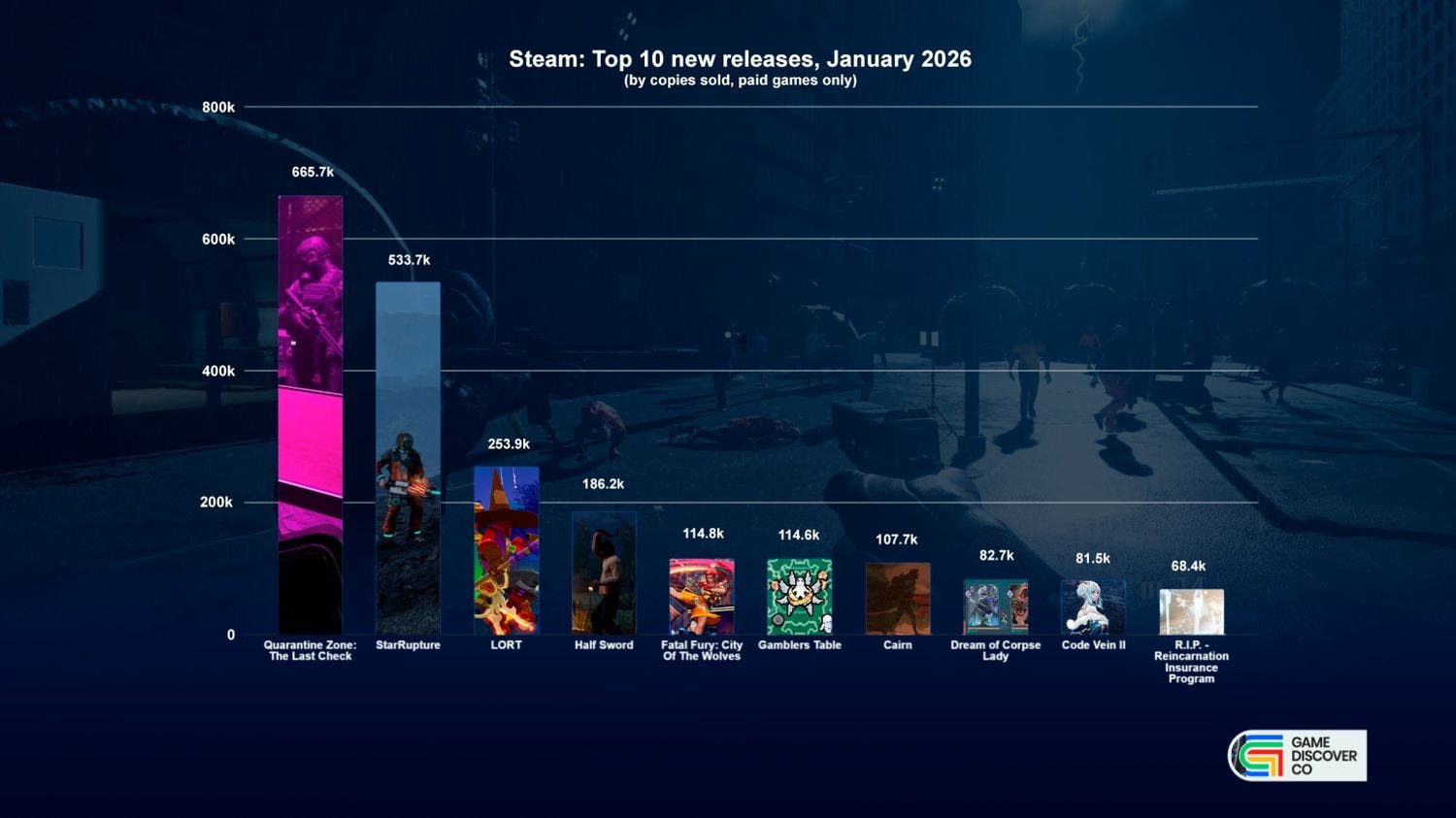


January 2026 S Top Selling New Steam Games Revealed 08418405 04a2 47eb B48b 1500x843 . How To Borrow Games On Steam 2026 Easy Guide YouTube . Steam Sales 2026 Calendar Full Dates Best CD Key Deals AllKeyShop Com All Steam Events 2026. Daftar Review Game Steam Terbaru 2026 Dengan Gameplay Paling Seru Dan Daftar Review Game Steam Terbaru 2026 Dengan Gameplay Paling Seru Dan Grafik. The Most Played Games On Steam For 2026 So Far Cheat Code Central Most Played Games Steam 2026 2048x1167
#2 Gallery steam borrow game
:quality(30):format(webp):focal(0.5x0.5:0.5x0.5)/jogja/foto/bank/originals/20260423-Steam-Weekend-Deal-April-2026.jpg)


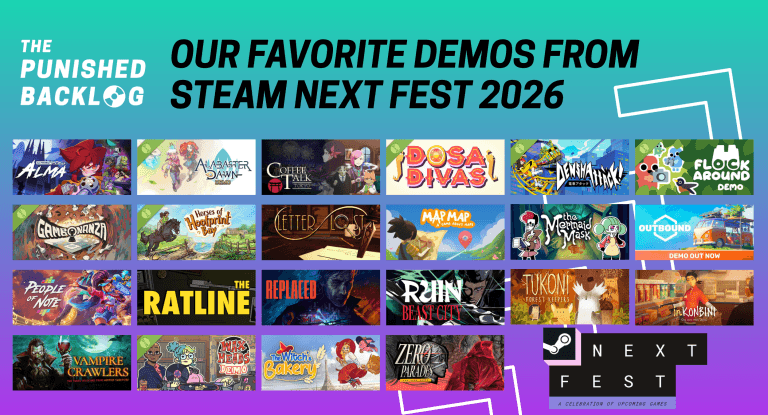
17 Game Gratis Di Steam 2026 Seru Bikin Kamu Ketagihan Jurnal Ngawi 3471022749 . Midweek Deal Steam April 2026 Hadir Dengan Berbagai Game Mabar Menarik 20260423 Steam Weekend Deal April 2026 . Kalender Lengkap Event Steam 2026 Diskon Besar Dan Festival Game Favorit Steam Events 2 Q82 W2560 H 74ce0.webp. Best New 2026 Steam Games Artofit . Steam Next Fest February 2026 The 22 Best Game Demos The Best Steam Next Fest Demos 2026 The Punished Backlog Order 2 768x415
#3 Gallery steam borrow game



15 Best PC Games Of 2026 So Far Ranked Vibe List The 15 Best PC Games Of 2026 So Far And The Studios Surprises And Steam Records Behind Them 696x388 . Review Game Steam Terbaru 2026 Game PC Baru Yang Langsung Viral Di Review Game Steam Terbaru 2026 Game Pc Baru Yang Langsung Viral Di Komunitas Gamer. Guide To Steam MacOS Games Performance Fun For Busy Gamers NG25 Steam. Best Free Games To Claim Right Now 2026 Steam PlayStation Xbox More May 2026 Free Games Feature Image . All 2026 Steam Fest Dates You Should Watch Out For Gamer Org All 2026 Steam Fest Dates You Should Watch Out For 2
#4 Gallery steam borrow game


All 2026 Steam Fest Dates You Should Watch Out For Gamer Org All 2026 Steam Fest Dates You Should Watch Out For 3 . Steam Next Fest 2026 Date Best Demos What To Expect Banners 2026 02 . 10 Best Deals In The 2026 Steam Spring Sale Ranked Steam Spring Sale Best Deals 2026 . Steam April 2026 Client Update Adds Remote Downloads Management Steam Client April 2026 1024x576 . STEAM SPRING SALE 2026 Ten Strategy Selections Plus Sim Management
#5 Gallery steam borrow game


New Steam Features For 2026 Steam Features 2026 What S New Banner.webp. Steam Sale 2026 Key Dates You Need To Know LevelUpTalk Steam Sale Schedule 2026 08 27 2025 7c35051e 2c22 4093 96f1. 2026 Upcoming Games And Game Release Dates Guide 2026 Upcoming Games Release Dates . Steam Sales 2026 Calendar Full Dates Best CD Key Deals AllKeyShop Com All Steam Events 2026 1.webp. Steam Sales 2026 Here S The Schedule For The First Half Of The Year 1824cr953
#6 Gallery steam borrow game


:strip_icc():watermark(kly-media-production/assets/images/watermarks/liputan6/watermark-color-landscape-new.png,1180,20,0)/kly-media-production/medias/5535685/original/040139800_1774087096-Steam_Spring_Sale_2026_01.jpeg)
Nuova Steam Machine 2026 Giochi Compatibili E Data Di Nuova Steam Machine 2026.webp. 2026 N N Steam Ndirim Tarihleri Belli Oldu Tamindir Steam 2026 Indirim Takvimi . Steam Inonde 2026 De Promotions La Fin Des Vraies Soldes Steam Sale Dates . When Is The Next Steam Sale . Countdown And History . SteamDB Google Chrome . Steam Drops Free Download For Gorgeous New 2026 Game . Steam Spring Sale 2026 Dimulai Banyak Game PC Dan DLC Dipangkas Harga 040139800 1774087096 Steam Spring Sale 2026 01
#7 Gallery steam borrow game




Top 10 Most Anticipated Games Of 2026 What To Watch Out For TVN GAMES IN 2026 . Steam Machine 2026 Prezzi Italia Crisi RAM E Data Di Uscita Steam Machine 2026 Prezzi Italia . Steam Machine S 2026 Release Still Certain Says Valve GameSpot 4631581 . When Is The Next Steam Sale May 2026 Update Countdown. Steam Next Fest February 2026 Edition Jumping Into 2026 MixCollage 23 Feb 2026 08 57 AM 2571